The plan
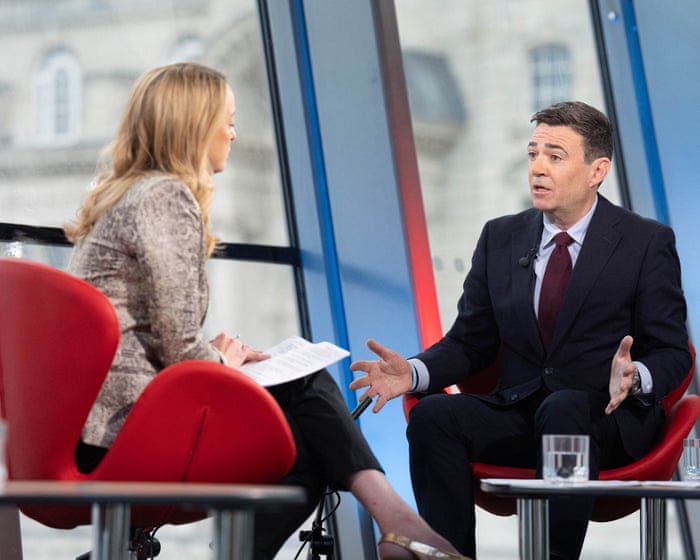
Prime Minister Andy Burnham is officially coming for England’s social care system. Speaking ahead of the Labour party conference, he dropped a plan to build a universal, NHS-style care service that’s free at the point of use. He’s calling it a "rip the plaster off" moment, acknowledging that the current setup is, frankly, giving 'broken.'
Burnham compared the existing system to U.S. healthcare, where he says the most vulnerable can lose everything they own to cover costs. Real talk: the system is failing both the people needing care and the workers, who he noted are often working on "poverty pay."
The long game
Don't expect any immediate shifts. The PM is taking the slow and steady route, aiming to put these proposals into the Labour manifesto for the 2029 general election. By getting voters to back the plan at the ballot box, he hopes to dodge the usual political theatrics that have killed similar attempts before. It’s a bold move, but he’s playing for the long term.
He hasn’t spilled the tea on how we’re paying for it yet, though. He confirmed that Baroness Casey is advising on the funding, and he’s promising more details in his upcoming conference speech. He stressed that while he knows there's a risk to his own political capital, he’s ready to "grasp the nettle" because ignoring it isn't an option anymore.
The history
If this sounds familiar, that's because it is. Burnham tried to push for a national care service back in 2009, but it got derailed when the opposition labeled it a "death tax" during the 2010 election cycle. This time, he’s pleading for an end to the "politics as usual" approach where parties score points instead of fixing actual problems. The vibes are clearly heavy, as he cited the recent passing of his father—who had Alzheimer’s—as a massive motivator to finally get this right.
Why it matters
England’s social care system has been in a downward spiral for years, and Burnham is betting that a universal, tax-funded model is the only way out. By aiming for a 2029 election mandate, he’s trying to build a political shield around a project that is guaranteed to be complicated, costly, and high-key controversial.